Anti-Malarials
Malaria is a serious disease transmitted by mosquitoes in certain regions. While it can be life-threatening, effective anti-malarial treatments can help prevent infection or manage symptoms if exposure occurs. Planning ahead is key to staying safe while traveling.
Through 123Meds, you can receive expert-approved anti-malarial treatments via our UK-registered online pharmacy service, with prescriptions reviewed by clinicians and delivered straight to your door.

pharmacists

consultations & orders

delivery before 3:30PM

Prescription
Malaria is one of the world’s most dangerous infectious diseases, responsible for over 400,000 deaths globally in 2019. It is spread by mosquitoes in many tropical and subtropical regions. The disease is caused by a parasite called Plasmodium falciparum, which is transmitted through a mosquito bite and enters the bloodstream.
To check whether your travel destination carries a malaria risk, visit the NHS Fit for Travel website.
If not diagnosed and treated quickly, malaria can be life-threatening. However, the risk of infection can be significantly reduced by taking anti-malaria tablets before and during your trip.
For more detailed information, visit the NHS website.
Avoiding mosquito bites is your first line of defence against malaria. While it may sound simple, taking the right precautions can significantly reduce your risk.
Wearing long-sleeved clothing and applying insect repellent—ideally one containing at least 70% DEET—are essential steps. Lightweight, breathable long-sleeved tops and trousers are widely available from outdoor retailers and help cover exposed skin, making bites less likely.
Mosquito nets, especially those treated with insecticide, provide another vital layer of protection, particularly while sleeping in high-risk areas.
Despite your best efforts, avoiding all bites isn’t always possible. That’s why taking anti-malaria tablets is strongly recommended when travelling to high-risk regions. These medications help protect you if bitten and should be used in combination with physical bite prevention measures.
Malaria symptoms typically appear 7 to 18 days after being bitten by an infected mosquito. Common signs include:
- High fever
- Chills and sweating
- Headache
- Muscle aches
- Fatigue
- Nausea or vomiting
In severe cases, malaria can cause confusion, seizures, and organ failure, and can be life-threatening if not treated promptly. If you develop symptoms during or after travel to a malaria-risk area, seek medical help immediately.
Malaria tablets help protect the body by targeting the parasite that causes malaria. Some mosquitoes carry this parasite, and if you're bitten, it can enter your bloodstream and cause serious illness.
There are four main types of malaria, each caused by different species of the Plasmodium parasite. As a result, there are various antimalarial medications designed to provide protection based on the region you're travelling to. The NHS Fit for Travel website provides up-to-date guidance on which medication is recommended for each country.
For dosage and usage instructions, please refer to the product pages or patient information leaflet provided with your medication.
While malaria tablets offer effective protection, they must be taken exactly as prescribed—starting before travel, continued during your stay, and after returning home. They should always be used alongside bite prevention measures, such as insect repellent and mosquito nets, to minimise your risk. Incorrect use can significantly reduce their effectiveness.
What is malaria?
Malaria is a serious tropical disease caused by a parasite (Plasmodium) transmitted through the bite of an infected female Anopheles mosquito. It can lead to severe illness and even be fatal if not treated quickly.
Where is malaria most common?
Malaria is found in many tropical and subtropical regions, including parts of Africa, Asia, Central and South America, and some areas of the Middle East. Always check the latest travel guidance at NHS Fit for Travel.
What are the symptoms of malaria?
Malaria symptoms usually develop 7 to 18 days after being bitten by an infected mosquito. The most common symptoms include high fever and chills, sweating, headache, tiredness, nausea, vomiting or diarrhoea, and muscle aches.
If you develop these symptoms during or after travel to a malaria-risk area, seek medical attention immediately, as malaria can become life-threatening without prompt treatment.
How do malaria tablets work?
Antimalarial tablets help your body kill or suppress the malaria parasite before it can multiply and cause illness. They must be taken before, during, and after travel to an affected area to provide full protection.
What types of malaria tablets are available?
The most commonly prescribed antimalarials are atovaquone/proguanil (Malarone), doxycycline, and mefloquine (Lariam). The best option for you depends on your travel destination, the level of resistance in that region, and your personal medical history. Our clinicians can advise on the most suitable and effective medication for your trip.
When should I start taking malaria tablets?
Start taking the tablets before you enter a malaria area (usually 1–2 days to a few weeks beforehand, depending on the medication). You must continue taking them during your trip and for a set period after leaving the risk area.
Do I still need to avoid mosquito bites if I’m taking antimalarials?
Yes. While malaria tablets significantly reduce your risk, no medication is 100% effective. Always use insect repellent, wear long-sleeved clothing, and sleep under a mosquito net in risk areas.
Are there side effects to malaria tablets?
Some people may experience side effects such as nausea, stomach upset, or skin sensitivity to sunlight. These vary depending on the type of tablet. Always read the patient information leaflet and speak to a clinician if you have concerns.
Can I buy malaria tablets online?
Yes. At 123Meds, you can complete an online consultation, and if suitable, our UK-registered clinicians will issue a prescription. Your medication will then be delivered discreetly to your door.
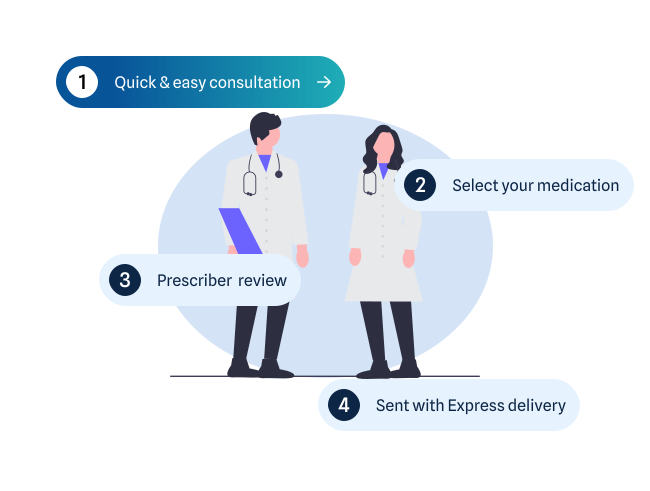
Fill out a quick form!
Fast, safe online consultations – no need to visit a GP or pharmacy.
Select your medication
Once you’ve completed the assessment, we’ll show you treatments that are right for you.
Prescriber review
Our prescribers will review your consultation and, if it's right for you, send a prescription to our pharmacy.

Express Delivery
Discreet delivery straight to your door, as soon as the next day.
Our 5-Point Safety Guarantee
We focus on trust, privacy, and expert service in online medication ordering.

GPHC and MHRA Regulated Pharmacy
Regulated by all necessary UK regulatory bodies

UK qualified Pharmacists
All consultations reviewed by UK pharmacists

Authentic Medication
Sourced from approved suppliers only

Customer Care
Customer care team available via email or phone

Trusted by Thousands
Thousands of satisfied customers
pharmacists
consultations & orders
delivery before 3:30PM
Prescription