Psoriasis
Psoriasis is a long-term skin condition that causes patches of red, dry, and scaly skin. These areas can sometimes feel itchy, sore, or irritated and may appear on the elbows, knees, scalp, or other parts of the body.
While psoriasis often comes and goes in flare-ups, the right treatment can help calm inflammation, reduce scaling, and improve skin comfort.
Through 123Meds, you can access clinician-approved treatments for psoriasis via our UK-registered online pharmacy service. Prescriptions are reviewed by qualified clinicians and delivered discreetly to your door.

pharmacists

consultations & orders

delivery before 3:30PM

Prescription
Psoriasis is a long-term inflammatory skin condition that causes areas of red, thickened skin covered with silvery scales. It happens when skin cells are produced much faster than normal, leading to a build-up on the surface of the skin.
The condition often appears on the elbows, knees, scalp, or lower back, but it can affect other parts of the body. Psoriasis tends to occur in cycles, with periods where symptoms flare up followed by times when the skin improves.
While psoriasis cannot currently be cured, a range of treatments can help control symptoms, reduce inflammation, and improve the appearance and comfort of the skin.
The exact cause of psoriasis is not fully understood, but it is linked to the immune system and how the body produces skin cells. In people with psoriasis, skin cells are produced much faster than normal, leading to a build-up of thick, scaly patches on the skin.
Genetics can play a role, meaning the condition sometimes runs in families. Certain factors may also trigger or worsen flare-ups, including infections, skin injury, stress, smoking, alcohol consumption, and some medications.
Psoriasis is not contagious and cannot be passed from person to person through contact.
Psoriasis commonly causes patches of red, inflamed skin covered with thick, silvery scales. These patches may feel dry, itchy, sore, or cracked and can sometimes bleed.
Symptoms often appear on the elbows, knees, scalp, and lower back, but psoriasis can affect any part of the body. The severity can vary from small, localised patches to more widespread areas of skin involvement.
Many people experience periods where symptoms flare up followed by times when the skin improves.
Treatment for psoriasis aims to reduce inflammation, slow the build-up of skin cells, and relieve symptoms such as itching and scaling. For mild to moderate psoriasis, treatment usually starts with topical creams or ointments applied directly to the skin, such as vitamin D treatments or topical corticosteroids.
Regular moisturising with emollients can help soften scales and reduce dryness, making the skin more comfortable and allowing treatments to work more effectively.
Lifestyle measures can also help manage symptoms and reduce flare-ups. These include maintaining a healthy weight, exercising regularly, eating a balanced diet, managing stress, limiting alcohol, and avoiding smoking.
One of our clinicians can assess your symptoms and recommend an appropriate treatment plan to help control flare-ups and improve skin health.
What is psoriasis?
Psoriasis is a long-term skin condition that causes red, inflamed patches of skin covered with thick, silvery scales. It occurs when skin cells are produced faster than normal, leading to a build-up on the surface of the skin. Psoriasis is not contagious and cannot be passed from person to person.
What causes psoriasis?
The exact cause of psoriasis is not fully understood, but it is linked to the immune system and genetics. Certain triggers can worsen symptoms or cause flare-ups, including stress, infections, skin injuries, smoking, alcohol, and some medications.
Where does psoriasis usually appear?
Psoriasis most commonly affects the elbows, knees, scalp, and lower back, but it can occur anywhere on the body. Some people experience psoriasis on the scalp, hands, feet, nails, or skin folds.
Is psoriasis curable?
Psoriasis currently has no cure, but many treatments are available to help control symptoms and reduce flare-ups. With the right treatment and skincare routine, many people can keep their symptoms well managed.
What treatments are available for psoriasis?
Treatment depends on the severity of symptoms. Mild to moderate psoriasis is often treated with topical treatments such as medicated creams, ointments, shampoos, or lotions. These help reduce inflammation, soften scales, and improve skin comfort.
Can psoriasis come and go?
Yes. Psoriasis often occurs in cycles, with periods of flare-ups followed by times when symptoms improve or become less noticeable.
Can lifestyle changes help psoriasis?
Yes. Maintaining a healthy weight, managing stress, limiting alcohol, avoiding smoking, and keeping the skin well moisturised may help reduce flare-ups and improve symptoms.
Is psoriasis the same as eczema?
No. Although both are inflammatory skin conditions, psoriasis usually causes thicker, well-defined plaques with silvery scales, while eczema typically causes dry, itchy patches that may be more widespread.
When should I seek medical advice for psoriasis?
You should seek medical advice if your symptoms are severe, spreading quickly, causing significant discomfort, or not improving with treatment. A healthcare professional can help assess your condition and recommend appropriate treatment.
Is psoriasis an autoimmune condition?
Psoriasis is considered an immune-mediated condition. This means the immune system becomes overactive and triggers skin cells to grow much faster than normal. The rapid turnover of skin cells leads to the thick, scaly patches that are typical of psoriasis.
What triggers psoriasis flare-ups?
Psoriasis symptoms can worsen or flare up due to certain triggers. Common triggers include stress, infections such as throat infections, skin injuries, smoking, alcohol consumption, and some medications. Identifying and avoiding personal triggers can help reduce the frequency of flare-ups.
Can psoriasis spread?
Psoriasis itself is not contagious, but the affected areas of skin can become larger or appear in new places over time. Flare-ups may cause existing patches to worsen or new plaques to develop, particularly if triggers such as stress, infections, or skin injury occur.
How long does psoriasis treatment take to work?
This can vary depending on the treatment and the severity of symptoms. Many topical treatments start to improve redness, itching, and scaling within a few weeks when used consistently. However, psoriasis is a long-term condition, so treatment is often used regularly to control symptoms and help prevent flare-ups.
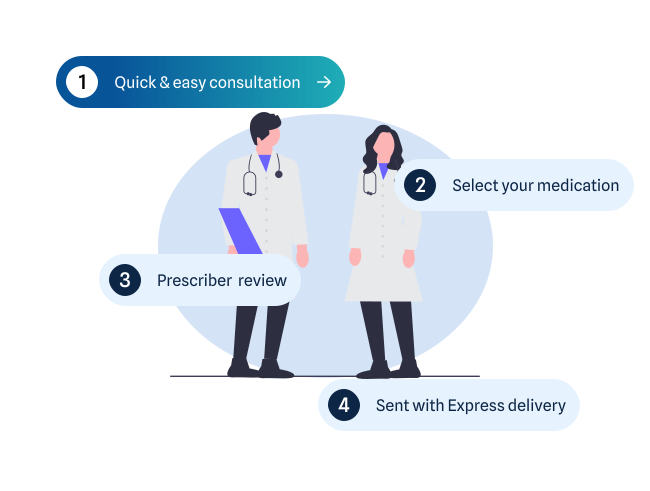
Fill out a quick form!
Fast, safe online consultations – no need to visit a GP or pharmacy.
Select your medication
Once you’ve completed the assessment, we’ll show you treatments that are right for you.
Prescriber review
Our prescribers will review your consultation and, if it's right for you, send a prescription to our pharmacy.

Express Delivery
Discreet delivery straight to your door, as soon as the next day.

Our 5-Point Safety Guarantee
We focus on trust, privacy, and expert service in online medication ordering.

GPHC and MHRA Regulated Pharmacy
Regulated by all necessary UK regulatory bodies

UK qualified Pharmacists
All consultations reviewed by UK pharmacists

Authentic Medication
Sourced from approved suppliers only

Customer Care
Customer care team available via email or phone

Trusted by Thousands
Thousands of satisfied customers
pharmacists
consultations & orders
delivery before 3:30PM
Prescription