Eczema
Eczema is a common skin condition that can cause small, dry, itchy, or inflamed patches on the skin. Even when it affects limited areas, it can be uncomfortable and impact daily life.
We offer a range of clinician-approved topical treatments designed to relieve irritation, soothe the skin, and help prevent flare-ups. Alongside treatment, simple skincare routines and lifestyle measures can support healthy, comfortable skin.
Through 123Meds, you can receive expert-approved treatments for eczema via our UK-registered online pharmacy service, with prescriptions reviewed by clinicians and delivered discreetly straight to your door.

pharmacists

consultations & orders

delivery before 3:30PM

Prescription
Eczema, also known as dermatitis, is a common skin condition that causes inflammation, dryness, redness, and intense itching. It can affect people of all ages, though it's particularly common in children. Eczema is not contagious but tends to run in families and is often linked to allergies, asthma, or hay fever.
Symptoms can vary in severity and may flare up in response to triggers such as cold weather, stress, soaps, or allergens. While there is no cure, eczema can be managed through regular moisturising, avoiding irritants, and using treatments such as steroid creams or antihistamines to control flare-ups. Keeping the skin hydrated and following a consistent skincare routine is key to managing the condition.
Eczema affects around 1 in 5 children and 1 in 10 adults in the UK. It’s also the leading cause of work-related skin conditions, accounting for 84–90% of occupational skin diseases. In milder cases, eczema causes dryness, redness, and flaking. In more severe cases, the skin may ooze, crust over, or bleed.
Eczema Triggers: What to Watch Out For
Eczema flare-ups can be triggered by a range of factors that vary from person to person. Identifying your personal triggers is key to managing symptoms effectively.
Weather Changes
Cold, dry air can strip moisture from the skin, while hot, humid weather and sudden temperature shifts can lead to sweating or irritation, worsening eczema.
Food Sensitivities
Some people notice flare-ups after consuming dairy, eggs, wheat, or soy, though food triggers are uncommon and usually play a minor role in eczema.
Irritants
Everyday substances can inflame sensitive skin. Common triggers include:
- Soaps and detergents
- Cleaning products
- Fragranced lotions or sprays
- Scratchy fabrics (e.g. wool)
- Dust and pollution
- Allergens
People with eczema often have an overactive immune response. Triggers can include:
- Dust mites
- Pet dander
- Mould
- Certain foods (e.g. dairy, nuts, eggs)
- Yeast Overgrowth
Seborrhoeic dermatitis, a form of eczema, can be worsened by an overgrowth of Malassezia yeast, particularly in oily areas like the scalp and face.
Microbial Imbalance
An overgrowth of bacteria such as Staphylococcus aureus is common in eczema-prone skin and may lead to flare-ups.
Skin pH Imbalance
Healthy skin is slightly acidic, which protects the skin barrier. In eczema, pH may become too alkaline, weakening the barrier and increasing sensitivity.
- Dry, flaky skin – often the first noticeable sign
- Itching – can range from mild to intense, and is often worse at night
- Red or inflamed patches – commonly on the hands, face, neck, or behind the knees
- Cracked or scaly skin – especially in chronic cases
- Small bumps – may ooze fluid and form a crust when scratched
- Thickened or leathery skin – due to repeated scratching
- Sensitivity to irritants – soaps, detergents, and rough fabrics may worsen symptoms
- Infected skin – areas may become swollen, sore, or filled with pus if bacteria enter broken skin
Symptoms can vary in severity and may flare up periodically, often triggered by stress, allergens, or changes in weather.
There is currently no cure for eczema, but symptoms can be managed effectively with the right approach. Treatment focuses on avoiding triggers, maintaining a healthy skin barrier, and using the right combination of skincare and medications.
Moisturisers: A Daily Essential
Moisturising regularly is one of the most important steps in managing eczema. Applying a thick emollient several times a day helps lock in moisture, restore the skin’s protective barrier, and reduce the risk of flare-ups. Choose products that are free from fragrances, alcohol, or harsh chemicals, and suitable for sensitive skin.
Key types of moisturising ingredients include:
- Humectants like glycerin and hyaluronic acid to draw moisture into the skin
- Emollients such as shea butter to soften and smooth rough skin
- Occlusives like petroleum jelly to prevent water loss
- Barrier-repair creams containing ceramides and cholesterol to strengthen the skin barrier
- Anti-inflammatory agents like aloe vera to calm irritation
Popular moisturising creams include:
- CeraVe Moisturising Cream – Contains ceramides and hyaluronic acid, ideal for sensitive ski
- Cetaphil Moisturising Cream – Glycerin-rich and non-comedogenic, suitable for daily use
- Doublebase Gel – Combines isopropyl myristate and liquid paraffin to trap moisture
- Aveeno Cream – Contains colloidal oatmeal to soothe itching and irritation
Medicated Creams and Ointments
For flare-ups, prescription-strength creams may be needed.
Topical Steroids reduce redness and inflammation. They come in different strengths and should be used in short courses to avoid side effects such as skin thinning.
- Mild steroids include Hydrocortisone 1%, suitable for sensitive areas
- Moderate options include Clobetasone butyrate (Eumovate) and Mometasone (Elocon)
- Potent steroids such as Betamethasone (Betnovate) or Clobetasol (Dermovate) are used for severe cases
Calcineurin Inhibitors are non-steroidal alternatives used on delicate areas like the face or neck. They reduce inflammation without the risk of thinning the skin.
- Tacrolimus (Protopic) is available in 0.03% and 0.1% strengths
- Pimecrolimus (Elidel) is another option, although not always available over the counter
While moisturisers should be used daily, steroid creams and calcineurin inhibitors are used intermittently, only during flare-ups. A healthcare professional can advise on the right balance.
Oral Medications
Antihistamines are sometimes used to reduce itching, especially if allergies trigger your eczema. They’re not a cure, but can help reduce scratching and discomfort.
- Sedating antihistamines, like chlorphenamine (Piriton) or hydroxyzine (Atarax), may help at night or during severe flare-ups by easing itch and improving sleep
- Non-sedating antihistamines, such as cetirizine, loratadine, levocetirizine, and rupatadine, are often used during the day to relieve itch with minimal drowsiness
Summary
Eczema management requires a personalised approach. While daily moisturising helps maintain the skin barrier, short-term medicated treatments can manage flare-ups. Identifying and avoiding personal triggers, combined with the right skincare and medications, can significantly improve symptoms.
Always consult a healthcare professional before starting new treatments to ensure they are suitable for your skin and condition.
What is eczema?
Eczema (also known as dermatitis) is a common skin condition that causes inflammation, dryness, itching, and redness. It can affect any part of the body and may come and go in flare-ups.
What causes eczema?
Eczema is thought to be caused by a combination of genetics, a weakened skin barrier, and an overactive immune response. Triggers such as allergens, irritants, weather changes, and stress can make symptoms worse.
Is eczema contagious?
No, eczema is not contagious. You cannot catch it from someone else, even during a flare-up.
What are common eczema triggers?
Triggers vary from person to person, but common ones include soaps, detergents and household cleaning products, stress or anxiety, and cold, dry weather or sudden temperature changes. Allergens such as dust mites, pet dander or pollen can also make symptoms worse. Some people find flare-ups are linked to certain fabrics, like wool or synthetics, and in rare cases, specific foods may play a role.
How is eczema treated?
Eczema treatment usually focuses on soothing the skin, reducing flare-ups and preventing infection. Daily moisturising with emollients helps protect the skin barrier, while avoiding known triggers can reduce irritation. During flare-ups, topical steroids or calcineurin inhibitors may be prescribed to ease inflammation. Antihistamines can help relieve itching, and if the skin becomes infected, antibiotics may be required. Our clinicians can recommend the most suitable treatment for your symptoms.
How often should I moisturise my skin?
It’s recommended to moisturise at least 2–4 times a day, especially after washing or bathing, to help repair the skin barrier and prevent dryness.
Can I use normal soap or shower gel?
It’s best to avoid traditional soaps, as they can strip the skin of natural oils. Use soap substitutes or emollient-based washes designed for sensitive skin.
Are steroid creams safe?
Topical steroids are effective for controlling flare-ups when used as directed by a healthcare professional. Long-term overuse can lead to side effects like skin thinning, so they should only be used as needed.
What should I do if my eczema gets worse?
If your symptoms worsen or don’t improve with treatment, speak to your GP or pharmacist. You may need a stronger treatment or to rule out infection or another skin condition.
Can children get eczema?
Yes, eczema is very common in children and infants. It often appears as dry, itchy patches on the face, elbows, or behind the knees. Many children outgrow it, but some continue to have symptoms into adulthood.
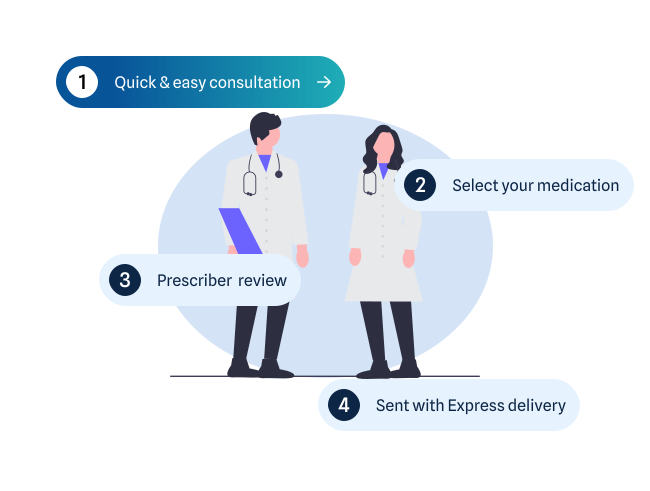
Fill out a quick form!
Fast, safe online consultations – no need to visit a GP or pharmacy.
Select your medication
Once you’ve completed the assessment, we’ll show you treatments that are right for you.
Prescriber review
Our prescribers will review your consultation and, if it's right for you, send a prescription to our pharmacy.

Express Delivery
Discreet delivery straight to your door, as soon as the next day.
Our 5-Point Safety Guarantee
We focus on trust, privacy, and expert service in online medication ordering.

GPHC and MHRA Regulated Pharmacy
Regulated by all necessary UK regulatory bodies

UK qualified Pharmacists
All consultations reviewed by UK pharmacists

Authentic Medication
Sourced from approved suppliers only

Customer Care
Customer care team available via email or phone

Trusted by Thousands
Thousands of satisfied customers
pharmacists
consultations & orders
delivery before 3:30PM
Prescription